Mean Eyed Matt
One Too Many
- Messages
- 1,247
- Location
- Germany
Gee! This one's fantastic! Another great find, Fastuni...


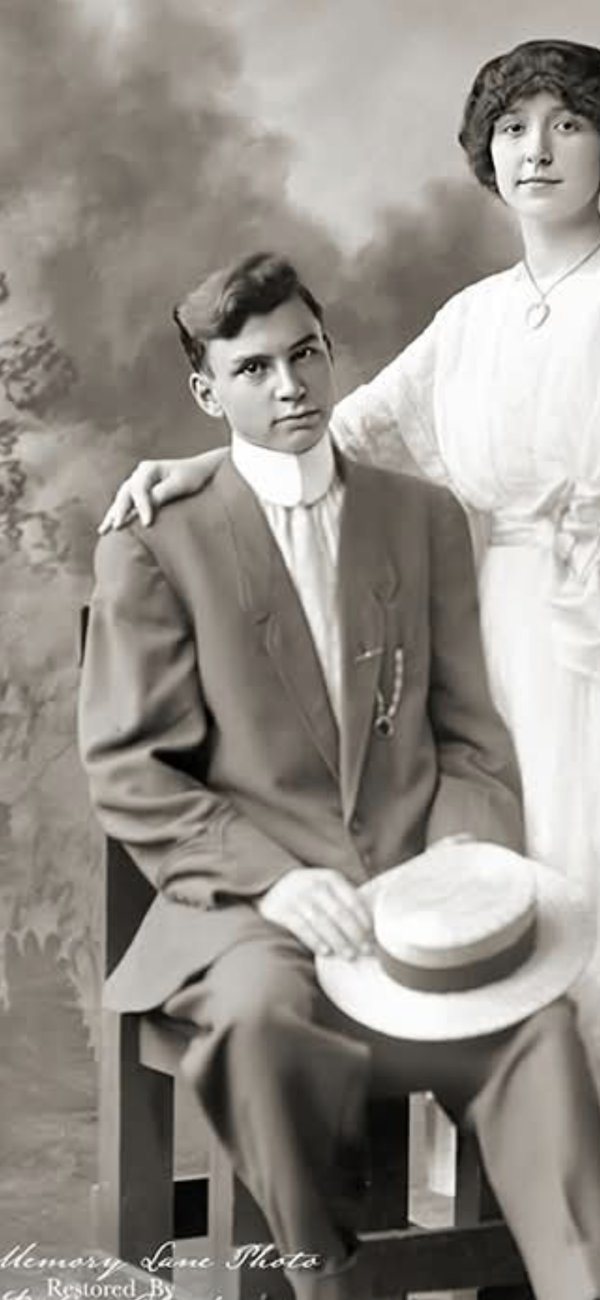
Hey fellas. I don't know if this is the correct place to ask but does anyone know an estimated value for an early 1900s-1910s Hickey & Freeman Makers sack jacket in about a size 38 with a some alterations? Again, I apologize if this isn't the correct forum.
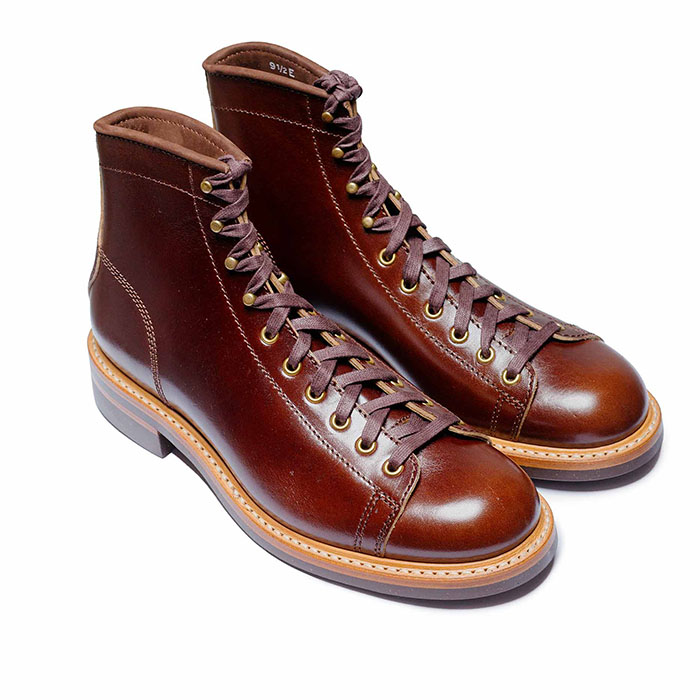 John Lofgren Monkey Boots Shinki Horsebuttt - $1,136 The classic monkey boot silhouette in an incredibly rich Shinki russet horse leather.
 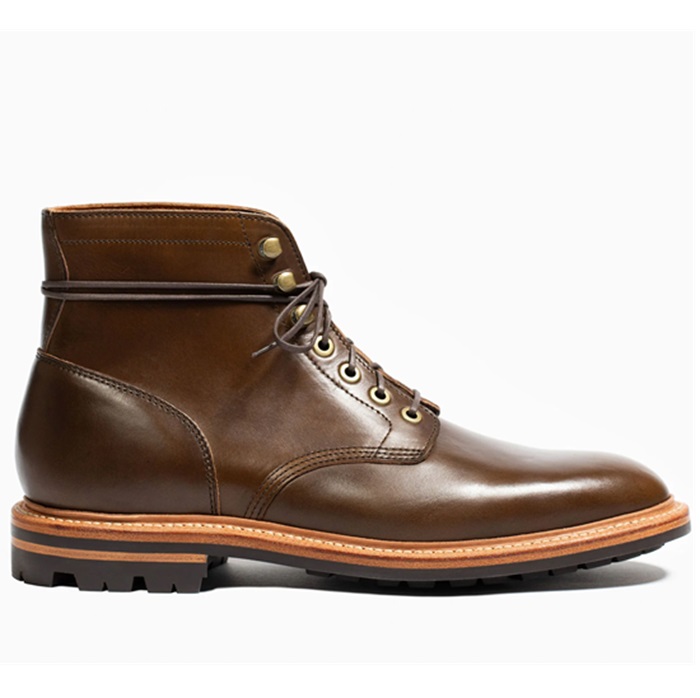 Grant Stone Diesel Boot Dark Olive Chromexcel - $395 Goodyear welted, Horween Chromexcel, classic good looks.
 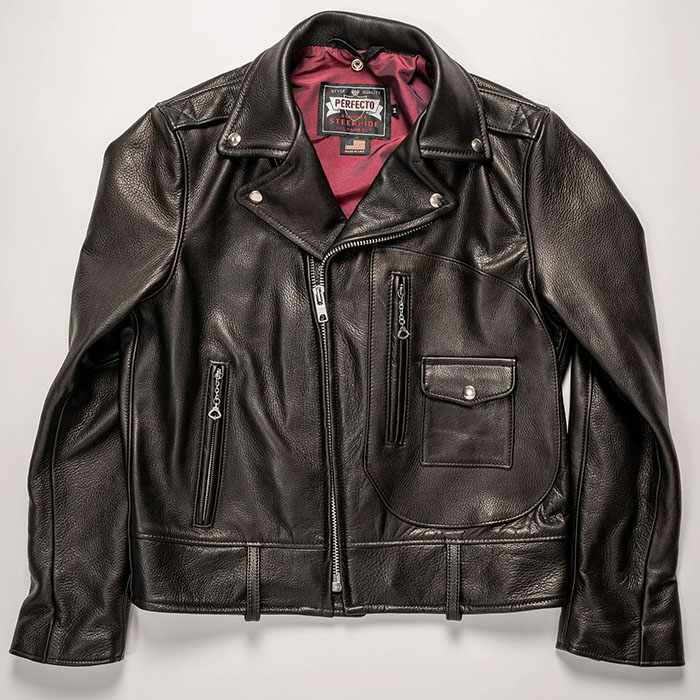 Schott 568 Vandals Jacket - $1,250 The classic Perfecto motorcycle jacket, in a very special limited-edition Schott double rider style.
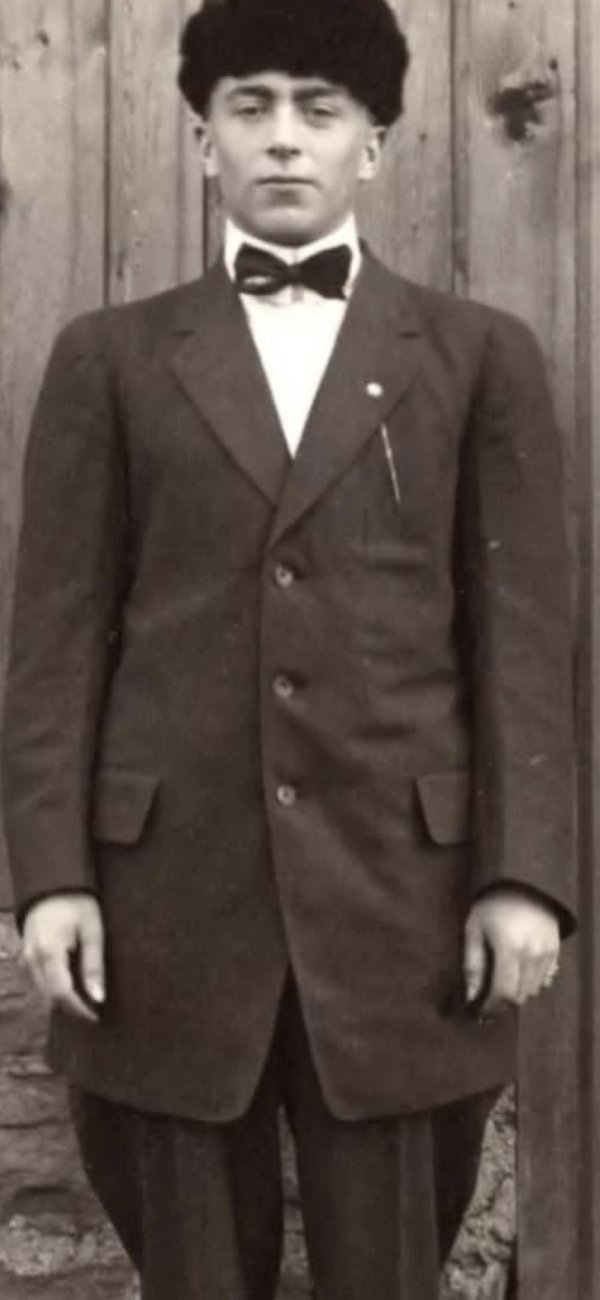
1910's to early 1920's German tailor-made 3-piece suit.
Fabric is soft-touch, not too heavy, marengo wool. Almost black, but with a hint of white.
It is an incredible rare find, because of it's near perfect condition (only the waistcoat lining and sleeve lining show some wear & age) and good size. It fits a 40 Long (European 50 Long) perfectly.
Natural shoulders, slightly flared skirt, angled chest pocket, high button stance and tapered fishtail trousers are some of the features of this suit.
View attachment 238132
View attachment 238133
Sold very quickly after it was shown here. Sorry!**Was this for sale? Would be very interested if so**

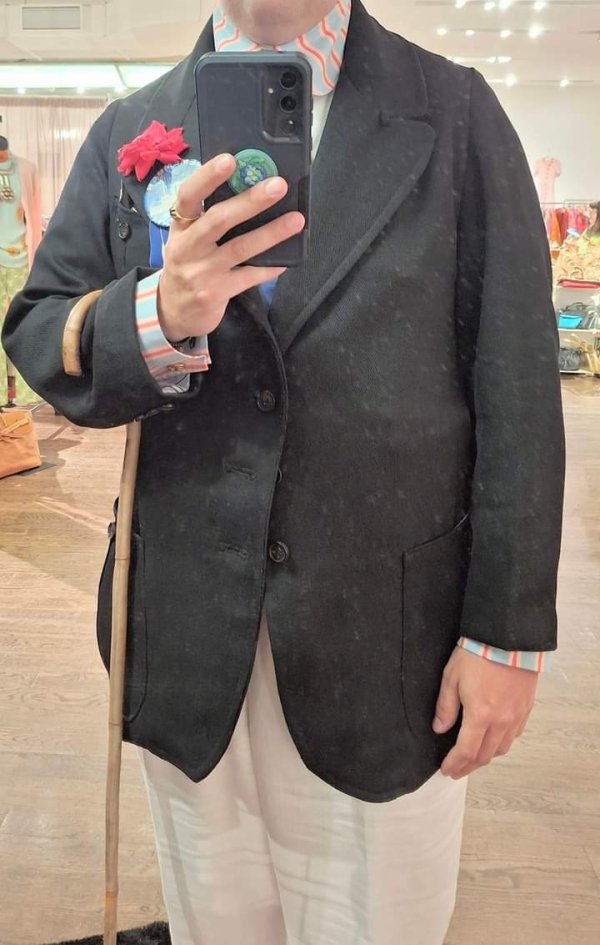
Wow, it looks like you have a good hand with needle and thread. Interesting pocket design, which—along with the long body, including the button placket and the sleeve ends—defines the jacket even more. It looks great, and I'm curious to see the trousers. I'd love to see more detailed photos, including the back, if you have the time.Back at it again with another, far better project. I made a 1908-1912 era Rah Rah suit jacket. I still have yet to make the trousers.
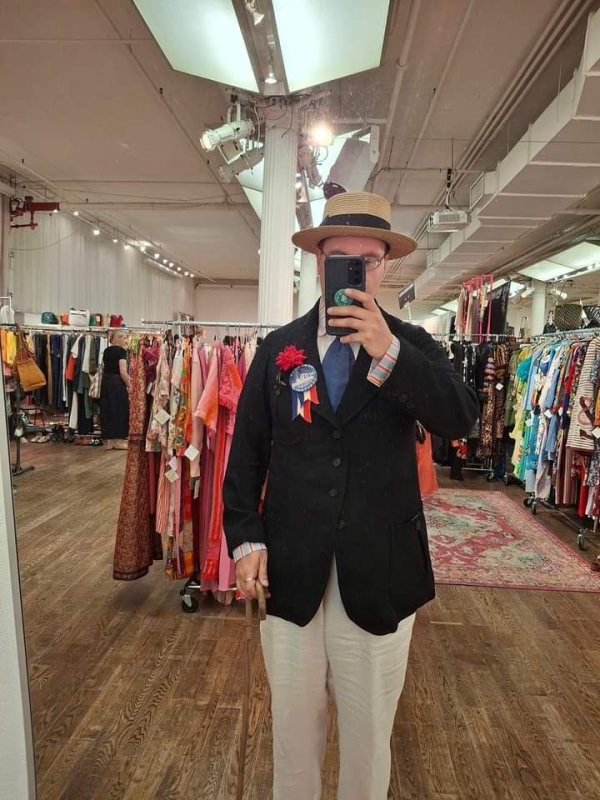
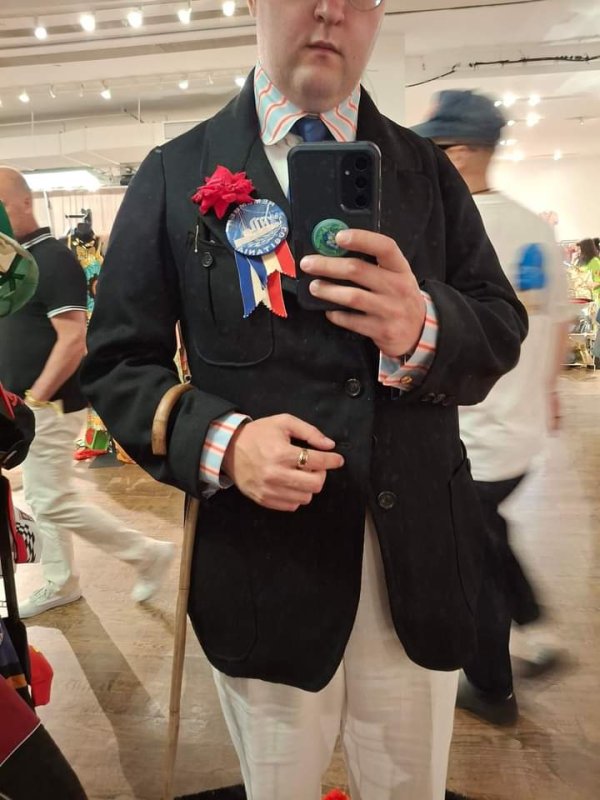
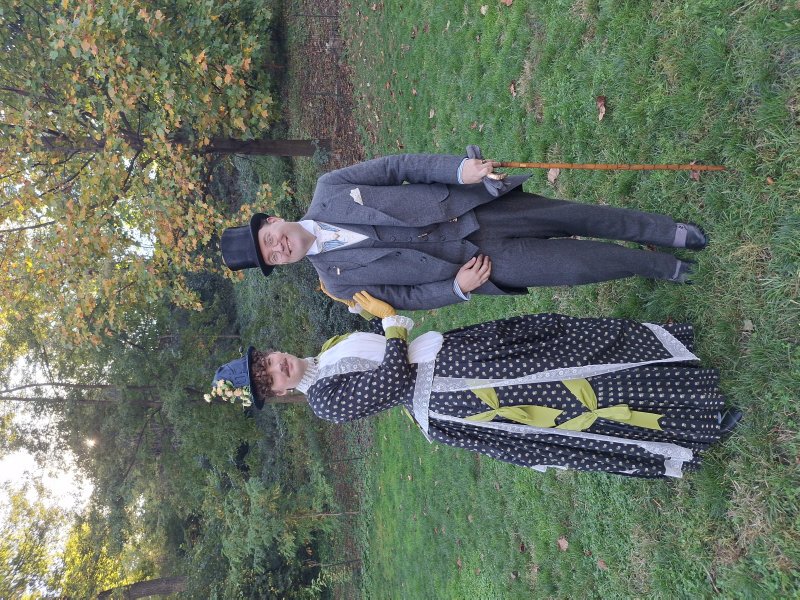
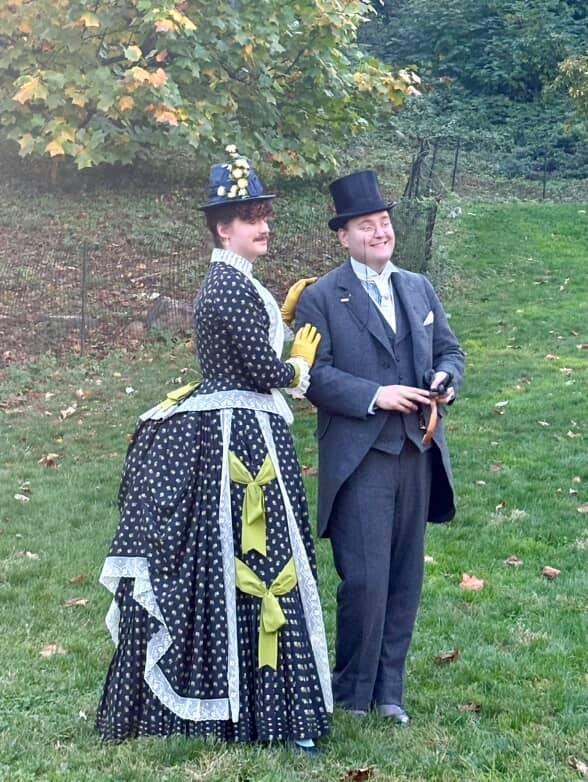
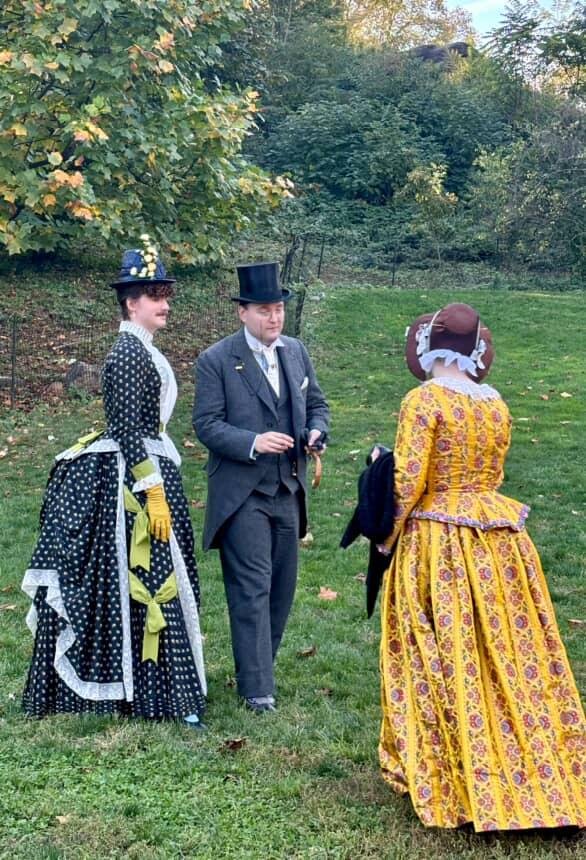
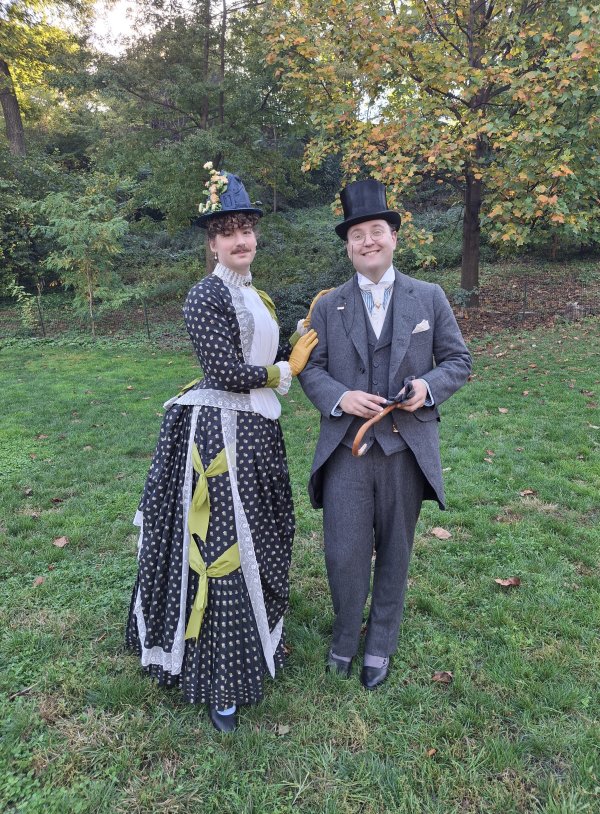
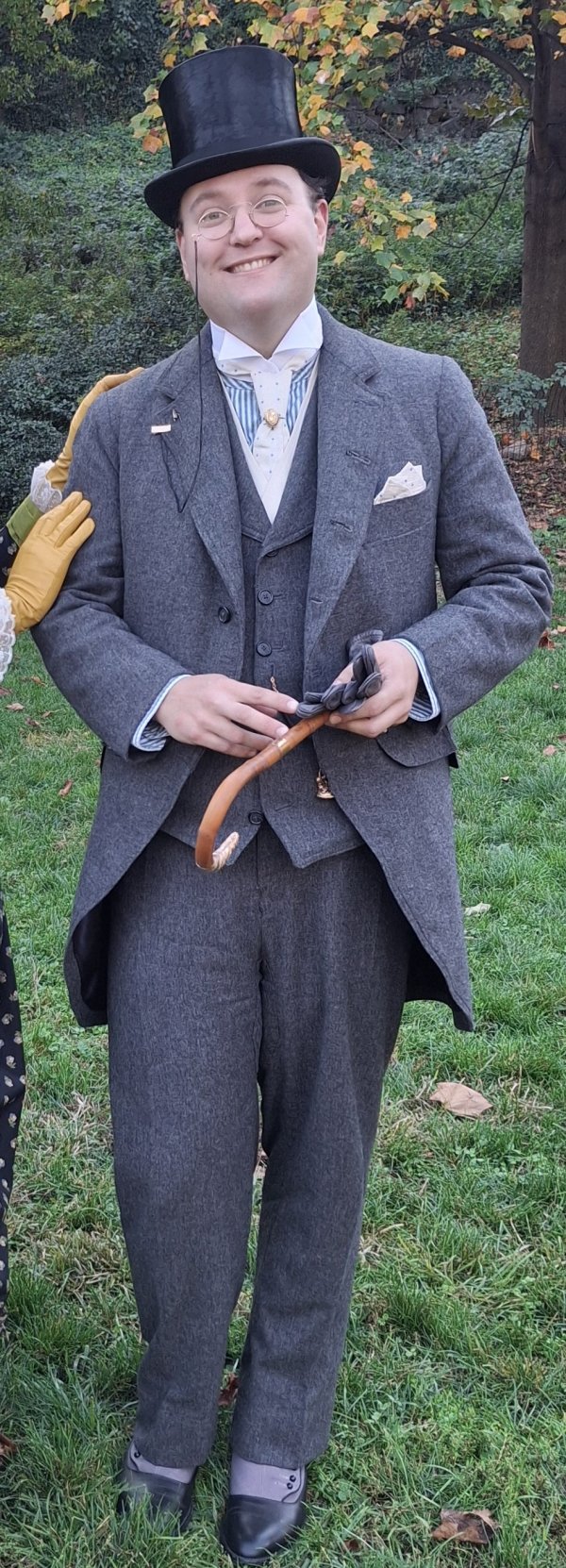
Thanks for sharing the pictures: Truly wonderful costumes!I don't have good photos of the rah rah suit yet, but here's my recently completed 1886 3 piece cutaway suit. I used a pattern drafting guide from that year by the JJ Mitchell Company of New York. They're the ones who made those lovely fashion plates in the Met museum's online collection.
Anyway, it's all natural fiber and some antique details (labels mainly) . I even made the tie using an 1890s original. I basically took it apart, and "reupholstered" it in New silk.
Pictured next to me is my fellow costuming nerd, Matthew. He made the 1880s gown you see him in on less than a week. YES, he's a man. He's also a professional costumer, so if that bothers you, just ignore him and focus on me like you should be with this post.
Oh thank you! But Matthew is a friend, not my boyfriend. We online met recently. He's a professional costume designer.Thanks for sharing the pictures: Truly wonderful costumes!
I'm not very familiar with Victorian women's fashion, but I have to say that all the details I see look very good and harmonious to me: Your boyfriend is truly an expert on the sewing machine – and at designing.
The same goes for you, of course: A wonderful cut you've created for yourself! Respect! I'm especially fascinated by the fit of the shoulders, as I imagine it would be quite complicated to shape them so that they fall well. I also love the fabric, which gives the whole ensemble a 'relaxed' feel beyond the elegance of such a three-piece suit.
Once again: Bravo to you both!
Please excuse me: I didn't mean to offend either of you.Oh thank you! But Matthew is a friend, not my boyfriend. We online met recently. He's a professional costume designer.
It's not so complicated to understand why the fit of these suits are the way they are. They were designed to be body contouring. Rather natural, with minimal padding. Most of the weight was in the wool and most of the structuring was built into the lining and facing, and only talked to the outer wool in strategic places. Mine is light by their standards, but heavyweight by today's. I was hoping to find wool Serge for this, but no such luck near me. I was lucky to have gotten this heathered woolen at $20 a yard.
Typo. Should say only. Not online.Please excuse me: I didn't mean to offend either of you.
The thing about the fabric is interesting: I'm no expert, but I have handled my fair share of fabrics. Weight and texture are one thing, price is another, and often what stops me from buying. I'm inexperienced when it comes to sewing, and big experiments with expensive fabric are out of the question.

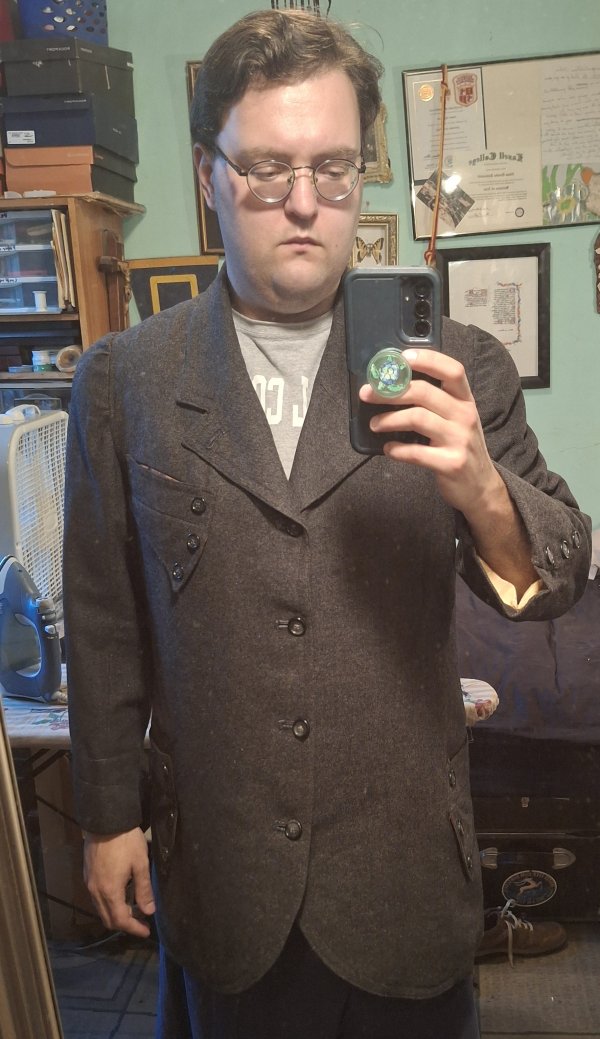
I thought it would be relevant to post here. Picked up this seeming late 1800s very early 1900s sack suit. Very cool in the heavy brown wool, hidden pockets, etc.Typo. Should say only. Not online.
Anyway! I agree. Anybody who's handled antique fabric knows that they literally do not make it like they used to. And then there's the construction. I'm still learning Victorian tailoring, but I have a degree in fashion design and I'm self taught afterwards with some continuing education classes from F.I.T.
The difference in finishing is incredible between now and 1880. First off, there's a lot of machine stitching where you definitely wouldn't want to see it today. Going through linings and over areas you'd need to unpick to alter, for instance. Some of them were hot messes on the inside.
And then the wool was much heavier. 16-18 ounces was considered normal. Unless our definition has changed, which I doubt, that's almost a modern jacket to coat weight wool. It weighs a TON. I know people who have original frock coats and cutaways and lounge jackets and they're all extremely heavy, but not much structuring. A lot of it is built into the lining and facing, not the canvas and underside of the fashion fabric. What little wool or cotton fluff/felt padding there is is usually only in the shoulders and a sliver around the armscye and up to the shoulder blades. Most of it is various weights of linen or occasionally hair canvas. And coarse stuff at that. Almost like burlap.
And not to mention that the shoulders are extremely relaxed and natural, sitting on or a little higher than the person's natural shoulder. The coats are designed to force an upright posture on the body, with the distance from shoulder blade to shoulder blade typically being 16-18 in wide.
Unless of course the person was unusually beefy.
You throw in the heavy wool (and OH I could wax poetic about that wool. Some of it was so soft and smooth that it was like cotton)
And you've got yourself a deceptively soft looking set of plate armor.
My attempt was much lighter than the antiques I've handled, mainly because of the wool. I don't even want to know how many yards of cloth I've wasted in failed attempts over the years of teaching myself, but my biggest regret was two small bolts of wool Serge at $15 a yard. If you're not familiar, serge is a heavily textured wool twill with a noticable weave like a corduroy, all going diagonally. It was one of the most popular menswear fabrics for decades!
I could kick myself in the *** for that. I could really use it now
The woolen of the suit i was wearing is the closest I've ever come to a 19th century suiting wool, aside from the serge, and even THAT'S still too lightweight.
What the-? That is an incredibly strange suit! Clerical? Uniform? Regional?I thought it would be relevant to post here. Picked up this seeming late 1800s very early 1900s sack suit. Very cool in the heavy brown wool, hidden pockets, etc. View attachment 758574 View attachment 758575 View attachment 758576 View attachment 758577 View attachment 758578 View attachment 758579 View attachment 758580 View attachment 758581
Funnily enough I was just doing more research on this as you wrote. From what I can tell, it sits firmly as a late 19th-century everyday sack suit. Collarless versions were worn for practical daily use right before modern suit standards settled. Unusual today but period correct.What the-? That is an incredibly strange suit! Clerical? Uniform? Regional?
The broadfall trousers are bizarre, especially this late. That's what makes me think it's regional. Perhaps European. They went out of favor in mainstream fashion in the 1850sFunnily enough I was just doing more research on this as you wrote. From what I can tell, it sits firmly as a late 19th-century everyday sack suit. Collarless versions were worn for practical daily use right before modern suit standards settled. Unusual today but period correct.