Want to buy or sell something? Check the classifieds
  • The Fedora Lounge is supported in part by commission earning affiliate links sitewide. Please support us by using them. You may learn more here.

Pre-1950s Sawyer Tanning Co.

jchance

Call Me a Cab
Messages
2,205
Location
LA
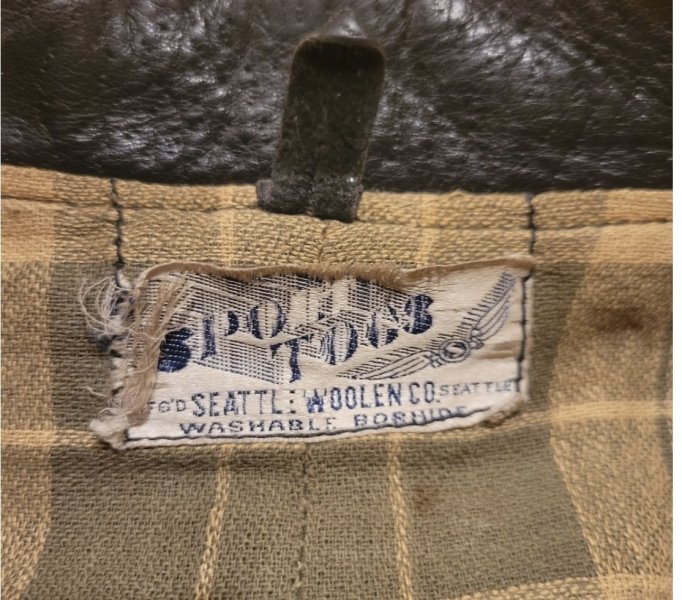
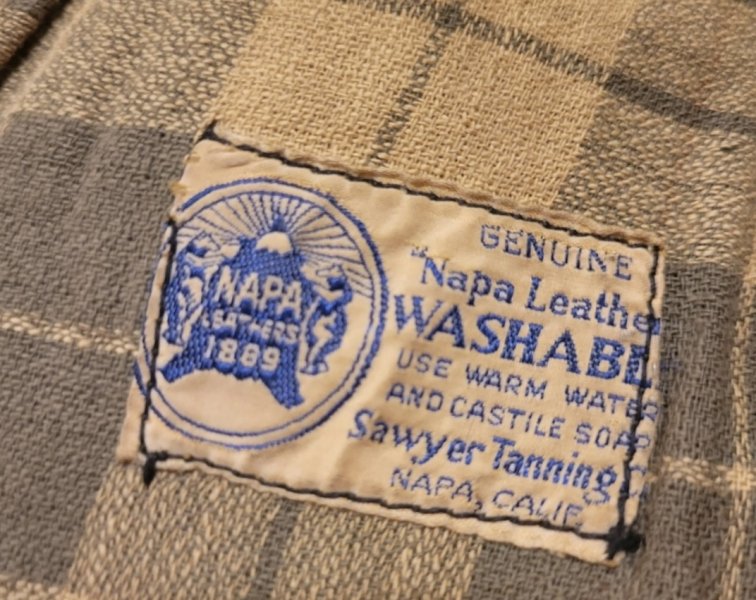
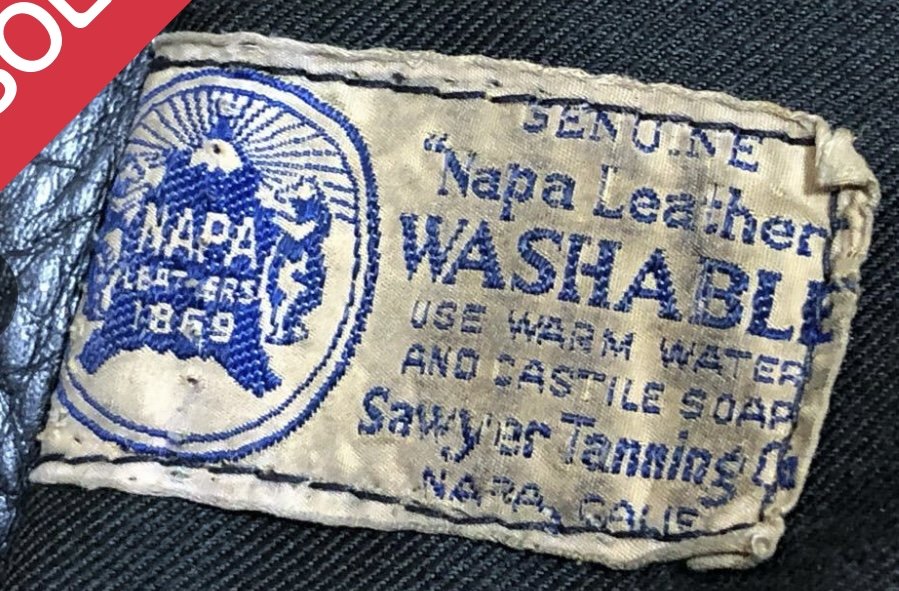
Terry @tmitchell59 sent me down the rabbit hole of researching this excellent tannery called Sawyer Tanning Company that provided hides for many survived pre-1950s leather jackets. I figured I might as well start a thread to document my research.

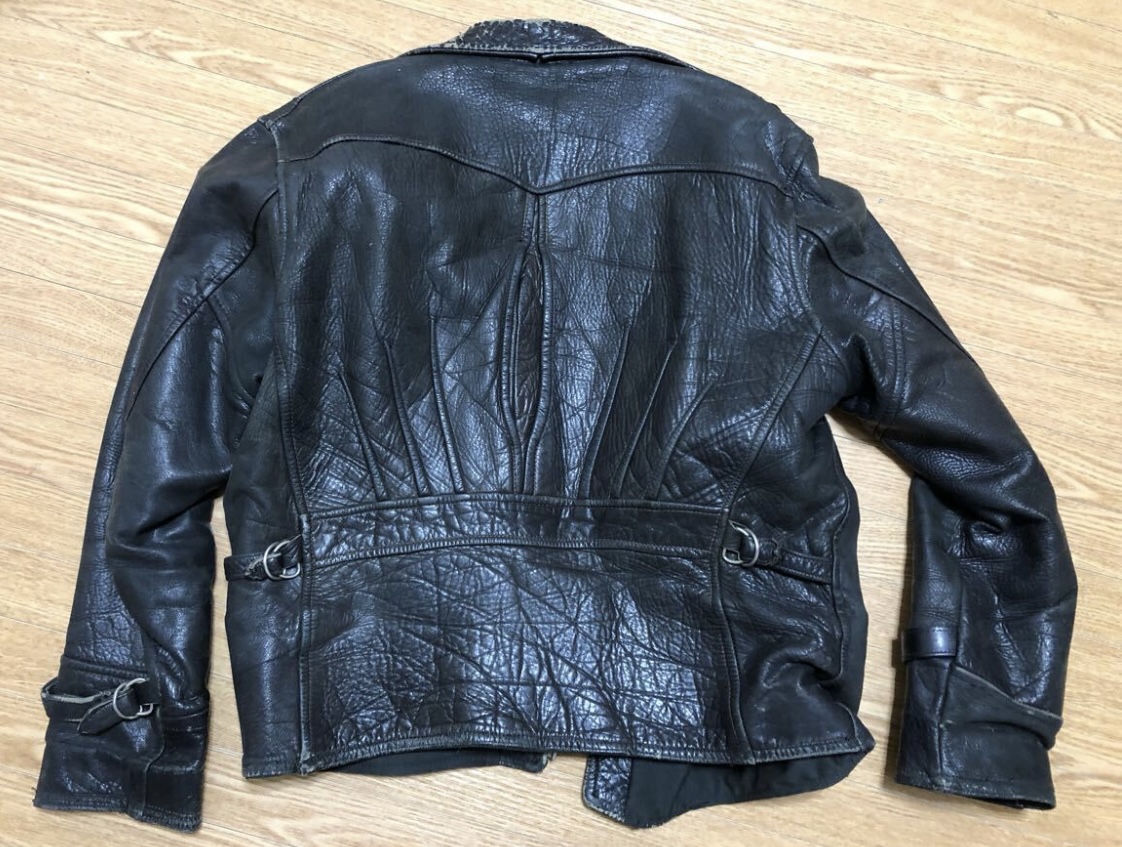
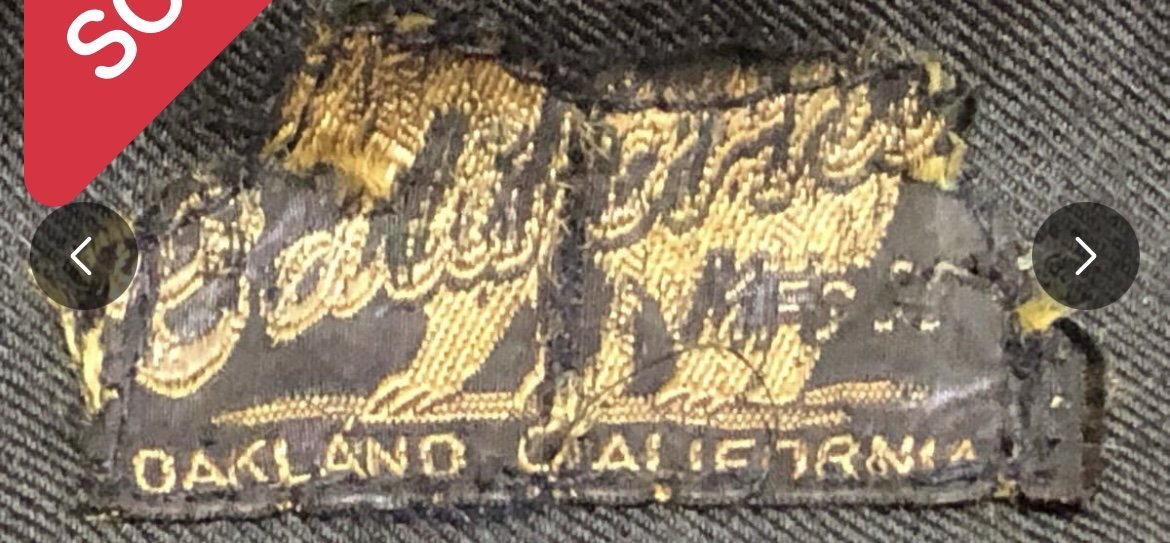
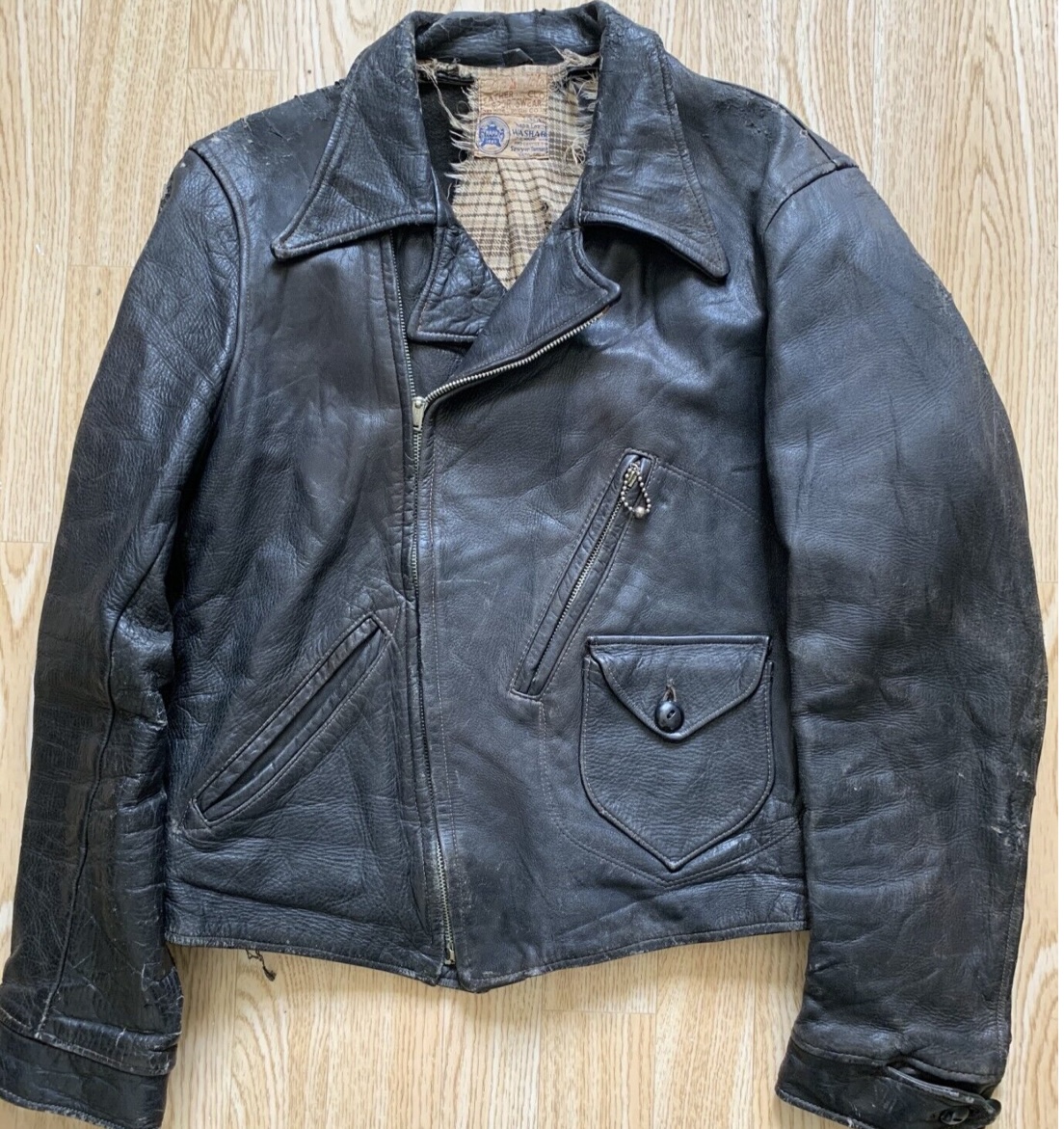
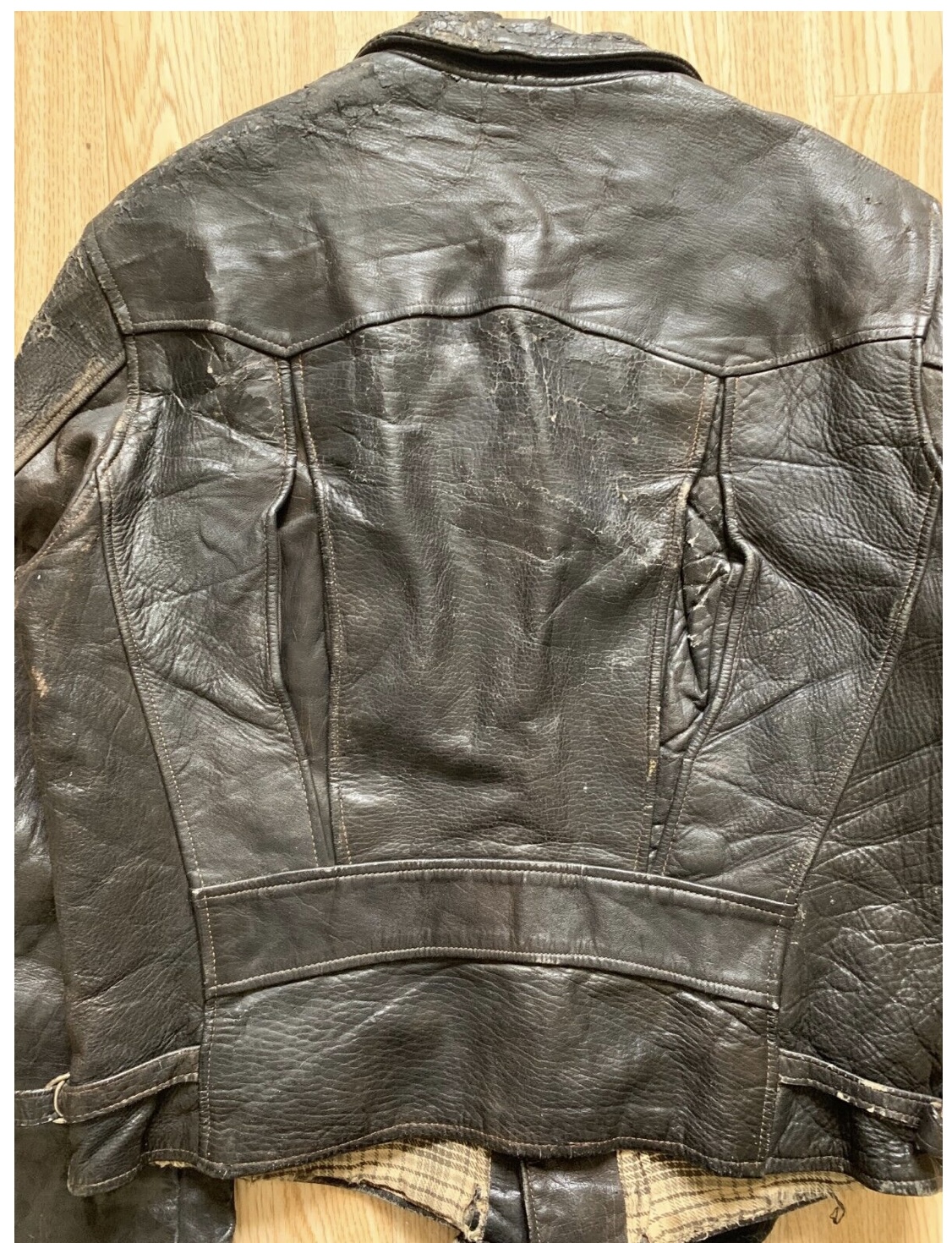
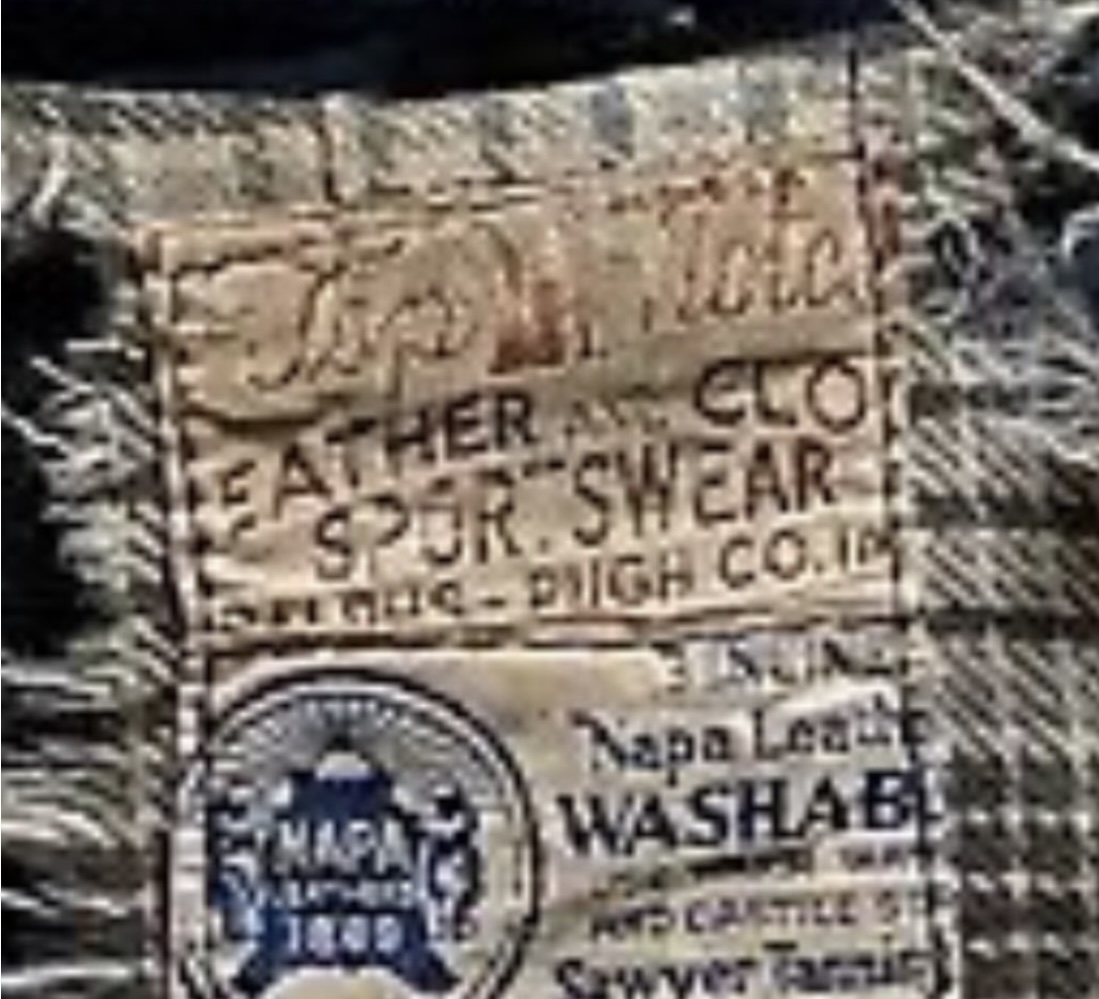
A pic is worth a thousand words. Let’s start with some pics of the well familiar brands that use this tannery with its own label. The tannery label signals quality when you see it, even if the pattern maker is unlabeled.

Seattle Woolen Co.
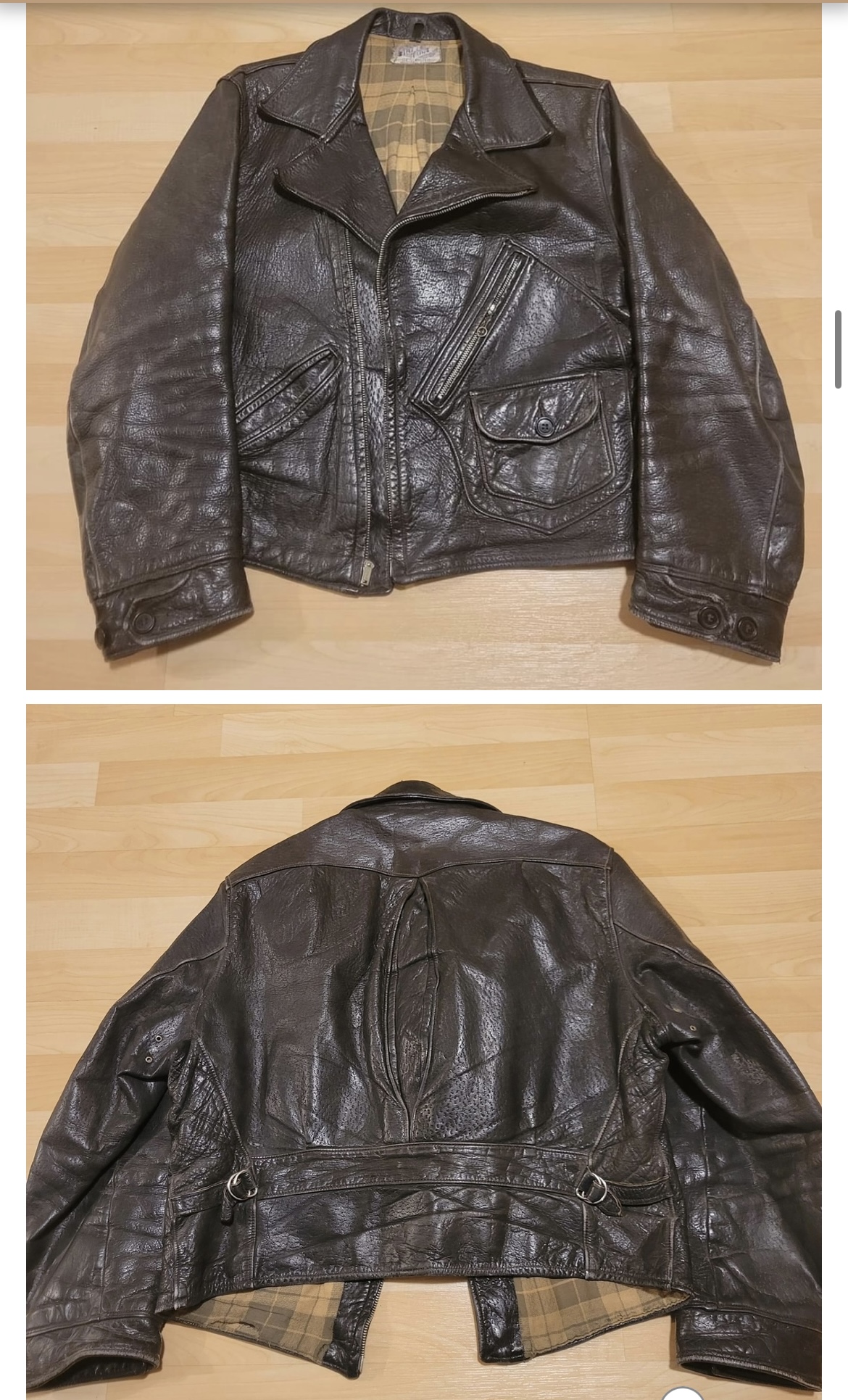
IMG_8853.jpeg
IMG_8854.jpeg IMG_8855.jpeg

California Mfg. Co. (the original, not Rainbow Country)
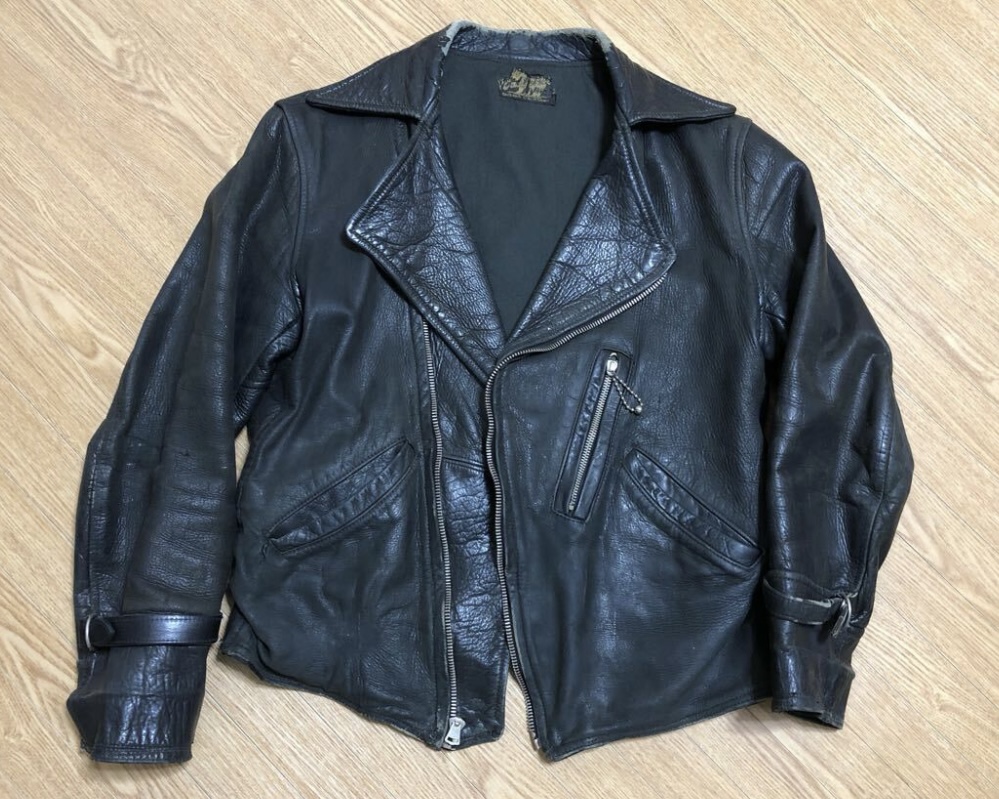
IMG_8870.jpeg
IMG_8871.jpeg

IMG_8833.jpeg IMG_8832.jpeg

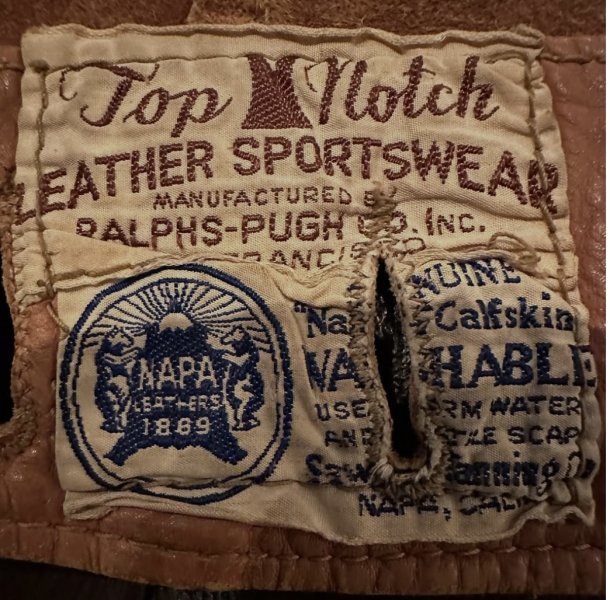
Ralphs-Pugh
IMG_8851.jpeg
IMG_8852.jpeg

IMG_8862.jpeg
 
Last edited:

jchance

Call Me a Cab
Messages
2,205
Location
LA
NY Times’s 1977 article covering the tannery, which was in operation 1869-1990. They became the largest tannery west of Mississippi and were famous for their sheepskins, which gave rise to the well-known trade name “Napa Leather.”

IMG_8856.jpeg


NAPA, Calif—The rich smell of new leather and fresh soap pervades the balmy air here in the tanning barn of Sawyer Tanning Company next to the Napa River, about an hour's drive north of San Francisco.

Sawdust and rock salt spill out in little rivulets on the wet floor from storage bins and stacks of virgin lamb

Young men, some stripped to the waist, and women in jeans and loosefitting tops, use antiquated, foreignmade machines to wash, stretch, tan and dye the thousands of lambskins that are processed here.

It takes a lambskin six weeks to work its way through this building, and 12,000 skins complete the process each week.
“We work the tannery 51 weeks year, three shifts a day,” said Marshall D. Glenn, a vice president, as he showed. a visitor around the grounds of the 108‐year‐old tannery.

About 45,000 coats were produced here last year, twice the number made in the early 70's, and each required seven or eight skins.

The processing of these skins, officially designated as double‐faced dyed lambskins, involves about 65 steps.

Fresh skins are bought at the Dixon, Calif., slaughterhouses. 35 miles away by a subsidiary of Sawyer, which sells to the tannery and to competitors. The skins, which cost about $8.50 to $9 each, have quadrupled in price in recent years as demand for shearling coats has increased and supplies have declined. That cost plus inflationary costs in wages and operation, have driven up the cost of these coats significantly.

A Long Process

The heavily salted (so they won't putrefy) fresh skins are soaked, washed, sheared, flushed for extraneous fat and muscle, and paddled with a cold pickling brine.
Then the skins are paddled with chrome sulfate, which maintains suppleness and protects against deterioration.

Then there's dying, stretching, softening, bleaching, sueding, finishing, ironing, degreasing, drycleaning and separating; and always more stretching and more softening and drying and shearing.

Despite the increased popularity of shearlmg coats, tanning has become “a disappearing trade; there's less and less formal training,” according to Fred Miles, vice president of production with 28 years as a tanner. Mr. Miles was trained at Pratt Institute in Brooklyn before the course was eliminated.

“The only areas for training open now are for people who speak Japanese or Hindustani,” added Mr. Miles, commenting on foreign‐made coats and the availability of lambskins overseas.

After at least six weeks of tanning and softening‐the skins can be restarted any time a worker thinks it's necessary—stacks of lambskins are sent over to the manufacturing building to be made into coats for such corporate clients as Saks Fifth Avenue and Bergdorf Goodman.
Sawyer Tanning Company was founded in 1869 by E. B. Sawyer and was a general tannery for nearly 100 years, processing cowhide leather for shoes, sports equipment and other commercial uses. In 1963, the Rossman brothers, Hungarians who had been making sheepskin coats in London, bought the business and converted it into a lambskin‐only tannery. They also added coat‐making to the operation.

The tannery and its skin‐buying and foreign subsidiaries in Toronto, London and Switzerland were purchased by an oil producer in 1974 as part of a diversified program.

 
Last edited:

jchance

Call Me a Cab
Messages
2,205
Location
LA
Langlitz’s Facebook post:

IMG_8895.jpeg

IMG_8897.jpeg
IMG_8898.jpeg


Some more historical photos from the Hide House’s main website, which is still around. The Hide and Leather House, incorporated 1978, “was set up to act as a ‘factory outlet’ for the [Sawyer] tanneries some forty years ago. Ceasing operations years ago, the tanneries no longer exist. However, The Hide and Leather House carries on the tradition by sourcing and importing leathers from around the world. Domestically, [they] do an abundance of ‘Contract Tanning’ of various leathers including cowhide, deerskin, elkskin and bison.”

IMG_8899.jpeg
IMG_8901.jpeg
IMG_8902.jpeg
IMG_8903.jpeg


IMG_8910.jpeg
 
Last edited:

jchance

Call Me a Cab
Messages
2,205
Location
LA
While Sawyer Tannery is no longer around, I found this video tour of the Hermann Oak Tannery and its tanning process informative. This St. Louis, Missouri tannery’s heritage goes back to 1881, which pioneered the veg tanned process in the US. Its leather is often mentioned and used by the members here for custom projects.

 
Last edited:

jeo

Call Me a Cab
Messages
2,385
Location
Philadelphia

Don’t believe it is a Ralphs Pugh.


This one is now owned by @ragtime_joe


This one is a Ralphs Pugh.


I own this one. Really good fit on this guy albeit a tad large for me at a 21” chest.

IMG_0062.jpeg
IMG_0063.jpeg
 

Forum statistics

Threads
114,515
Messages
3,176,179
Members
58,354
Latest member
leleyao19
Top